Tips for a Stress-free Mealtime

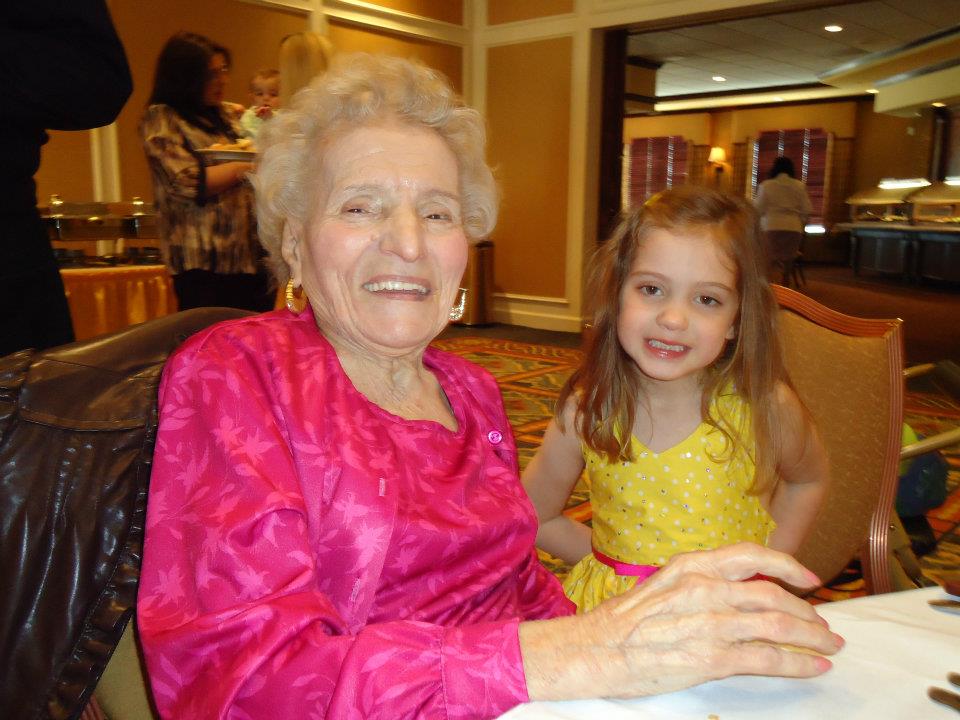
My husband’s grandmother loved to feed everyone. She was a great cook! Nan, as we called her, truly enjoyed watching people eat her culinary creations and would enthusiastically encourage you to take more, even when you were just getting started! As the stereotypical Italian grandmother, she took great pride in her role of serving and nourishing the family. A clean plate was the best compliment for Nan! As parents, we can relate because we too feel great satisfaction when our child finishes their meal. Knowing that your child has a full tummy that helps them to grow strong and healthy gives us peace. However, more often than not, meals are a frustrating time for children and parents. The aggravation that ensues when a child refuses a meal can lead to bargaining, pleading, threats, and behavior challenges to be triggered by mealtime. The following are suggestions that can help firm up the structure of mealtimes and encourage cooperation from your child.
1. Encourage a Sit and Eat Routine
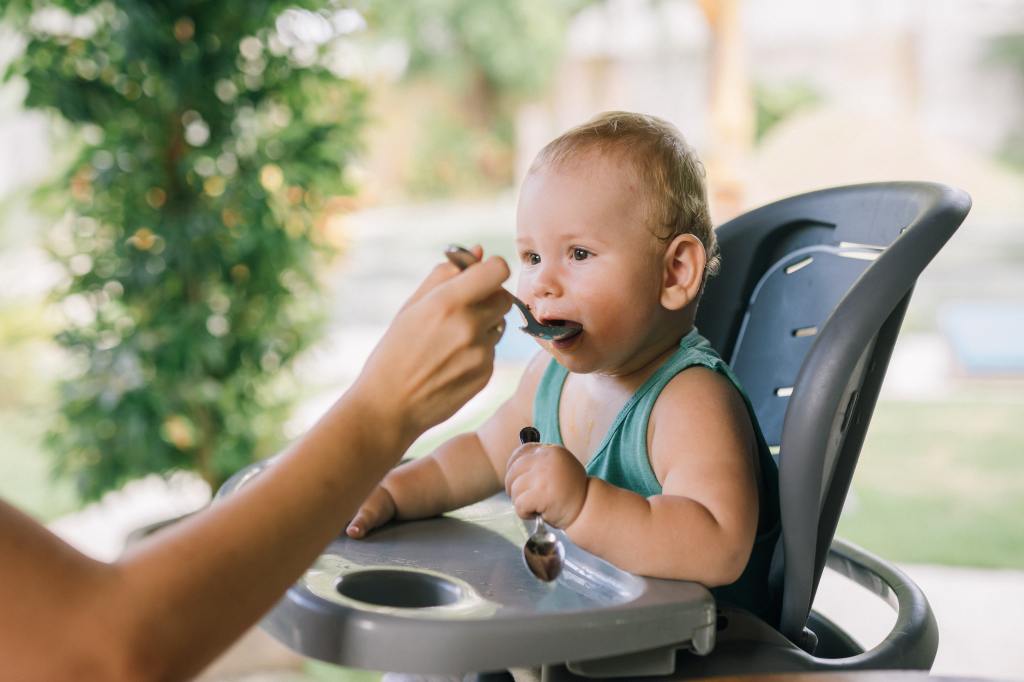
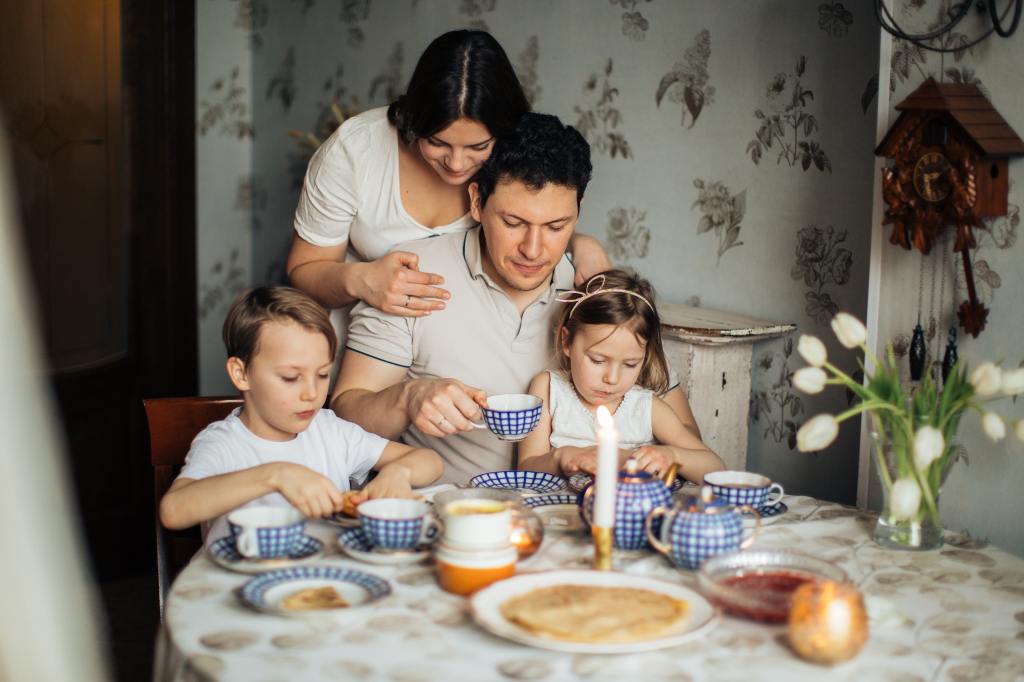
Children are often on the go. It’s easy to hand them a granola bar, applesauce pouch, or bag of mini muffins and send them on their way, but this is not a good habit to develop. It can be a challenge to get a child to stop and eat, but if you implement a routine with planned eating times, it will benefit you in the long run! Eating on the run throughout the day can make a mess of your house or car and does not teach a child to sit through a meal, which will be necessary when you want to have a family meal, holiday dinner, or go to a restaurant. It doesn’t matter if you use a high chair, dining table, or kid’s table, but it is important to have them sit to eat. For most children, if they refuse to sit, then they are not really that hungry. When they become hungry enough they will take the time to sit for a few moments and eat. When having a holiday or family meal, it is a good idea to make it a routine to sit with the family while people are eating even if the child refuses to eat or after he/she has finished eating. The time that you require them to stay at the table or in the high chair should suit their age. This helps prevent the habit of rushing to eat and run.
2. Limit choices
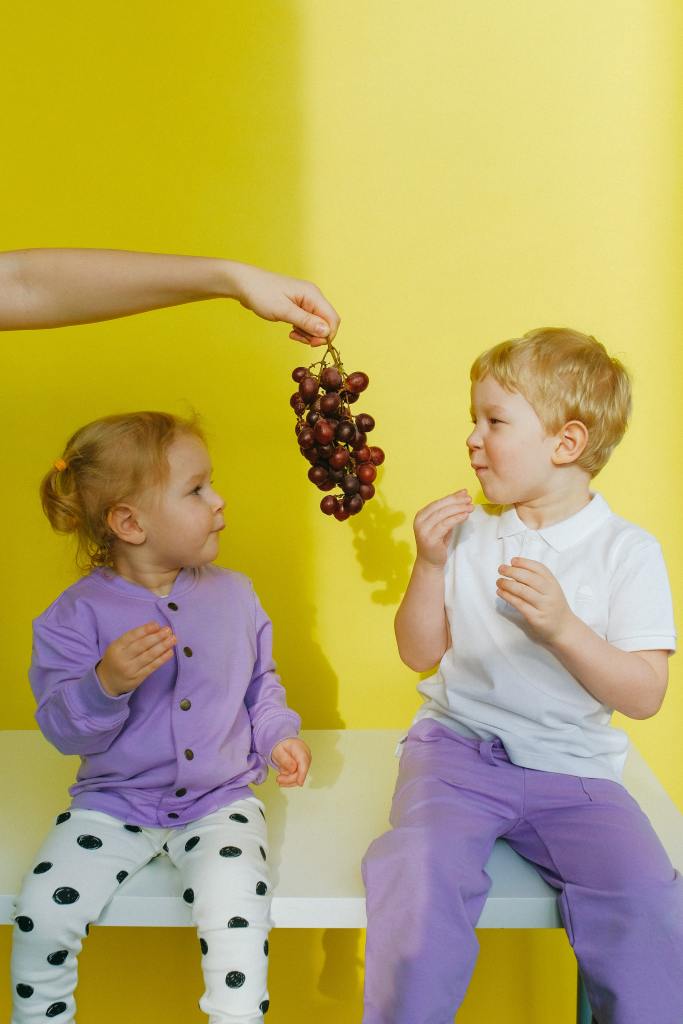
If mealtime is a challenge, I suggest that you present limited choices or just one item and no choice. Asking, “What do you want to eat?” while peering into a pantry full of yummy dry and canned goods presents an open ended question that can be overwhelming to most children. They are likely to choose sweet or salty snacks instead of nutritious meals. This can result in a debate with the child over whether cookies and chips are a suitable meal. Children can be stubborn. If you present them with veggies and dip after refusing to give in to their demand for cookies and chips, they are likely to refuse the healthier choice even if they normally enjoy that food because it has now become a battle for control. For best results, prepare their plate, and then bring them to the table. They are more likely to accept what you have prepared when it is the only choice and it is ready to be eaten immediately. It is a good idea to keep the salty and sweet treats out of reach or even out of sight altogether. Using a bin or basket placed on a high shelf can keep these treats out of sight and out of mind.
3. Limit juice
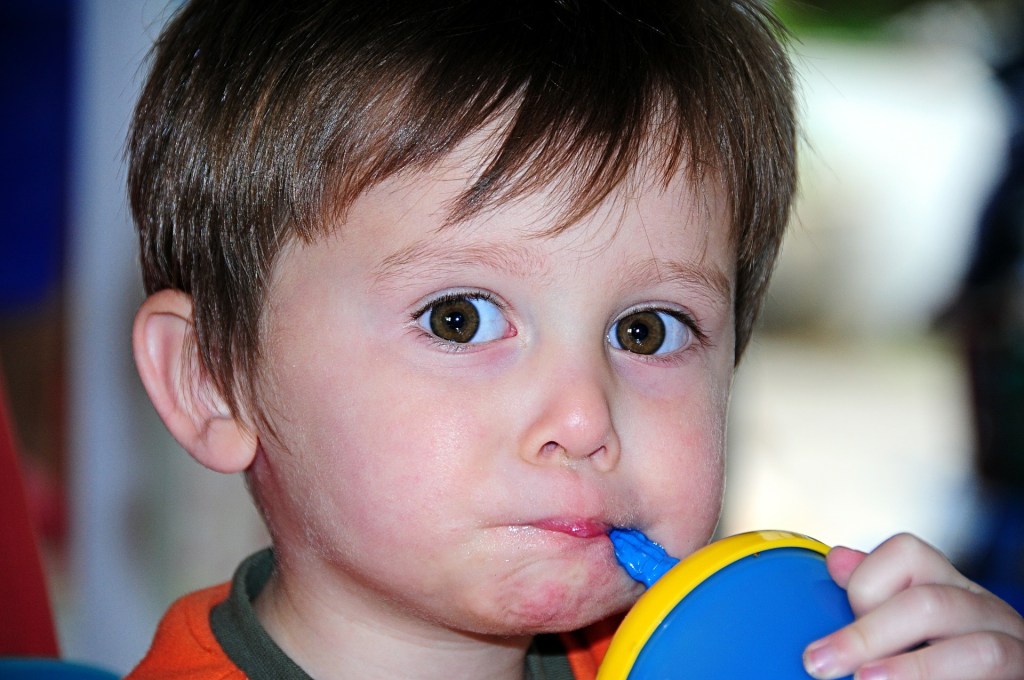
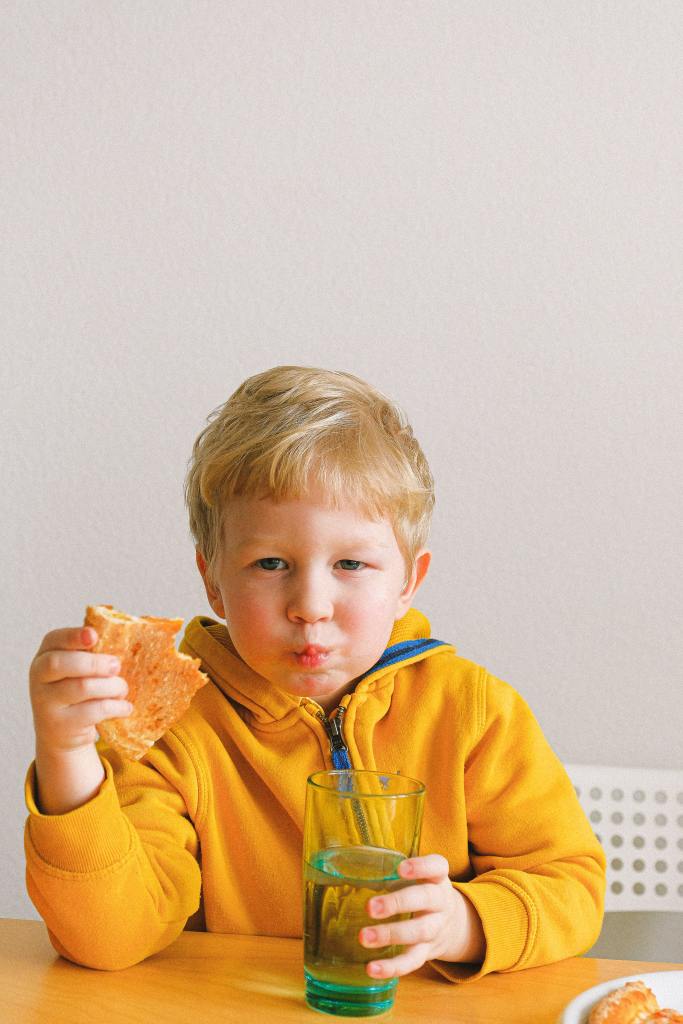
Most children love juice. Unfortunately, most are full of sugar. As a young mother, my pediatrician gave me great advice. She told me to avoid juice altogether! Once a baby has graduated from taking primary nourishment from a bottle, water becomes the best to way to quench their thirst. Many parents opt for watered down juice, but this still gives them a taste and craving for sugar. Cutting out juice completely is a much better decision. If you never introduce juice, they will never know what they are missing. When kids take a drink of juice for taste rather than thirst, they feel full. And when they feel full from drinking, it can be challenging to get them to eat solids.
4. Give Small Portions
When dealing with a picky eater, it is best to not present them with a mound of food on their plate. This will overwhelm a child. If mealtime has been stressful in the past, they may shut down as soon as they see the plate. Depending on the age and size of the child, a few mouthfuls of each food item on the table might be enough. To set up for success, it is a good idea to give a very small portion and allow them to ask for more. Many children prefer their food to be separated. For these children, a sectioned plate can help them enjoy their meal.
5. Remove the pressure
When all else fails and your child continues to refuse to eat, you may want to try eating in front of them without offering them their own plate. Most kids do not like to be left out. If you anticipate meal time coming up and your child has been a challenge to feed, I recommend making yourself a healthy snack or meal and eating it where they are sure to see you. Act as if you are really enjoying it. Be mindful that you do not make it a control issue by calling them over or saying that they can’t have any. Just enjoy your food passively and most often they will wander over and inquire about what you are having. Don’t forget they are always watching. Soon enough they will ask for some of your food and then you can make them a plate or better yet, have it already prepared for them. This works great for kids who are asserting independence and may be overly controlling about what they will eat. Pretending to subtly withhold the food increases their desire to get some of it. It becomes “forbidden fruit.” The key to this approach is to remain nonchalant about the meal.

6. Relax
Mealtimes can be challenging for some kids and their parents. Eating is one of the few things that kids really have sole control over. When they refuse to eat, we as parents are at their mercy. By using the tips covered in this blog and staying consistent with routines and boundaries, your child’s eating habits will improve over time. Remember: It takes time, especially if certain habits are already in place that you need to undo. Try to relax. Your child is not going to starve! You are a good parent and you do not want your child missing meals, but the fact is they will eat when they are hungry. Stay positive, use my tips, and make mealtimes fun when you can.
*If you have concerns about your child’s diet that are greater than what is addressed in this blog, please consult your pediatrician.
Thank you for reading my blog!
I encourage your questions and feedback. Please send comments to:Winatparenting@gmail.com
 Win @ Parenting